
TL;DR
Prescription antivirals are targeted, fast-acting medications designed to interrupt specific viral replication cycles during acute challenges. Monolaurin is a daily dietary supplement used for ongoing immune support, functioning broadly by structurally disrupting lipid envelopes. They serve fundamentally distinct roles: antivirals provide acute medical intervention, while monolaurin offers long-term nutritional resilience.
Key Takeaways
- Prescription antivirals act on specific intracellular pathways to block viral replication processes like protein synthesis and uncoating.
- Monolaurin provides broad-spectrum structural disruption of lipid envelopes in targeted organisms without targeting internal replication mechanics.
- Pharmaceuticals are reserved for acute, diagnosed interventions, whereas natural monolaurin supplements are utilized for long-term foundational health routines.
- Consistency and realistic expectations are paramount when relying on monolaurin for daily immune resilience and overall microbiome balance.
Determining how to structure an immune support routine often requires clarifying the precise roles of different interventions. Understanding the fundamental biophysical distinctions between prescription medications and nutritional supplements is critical for setting realistic expectations and building consistent, effective daily habits.
A common area of confusion arises regarding the roles of prescription antivirals and monolaurin supplements. While both interact with pathogens, their mechanisms of action, required consistency, and overarching biological purposes exist in entirely different categories of care.
How Do Prescription Antivirals Work?
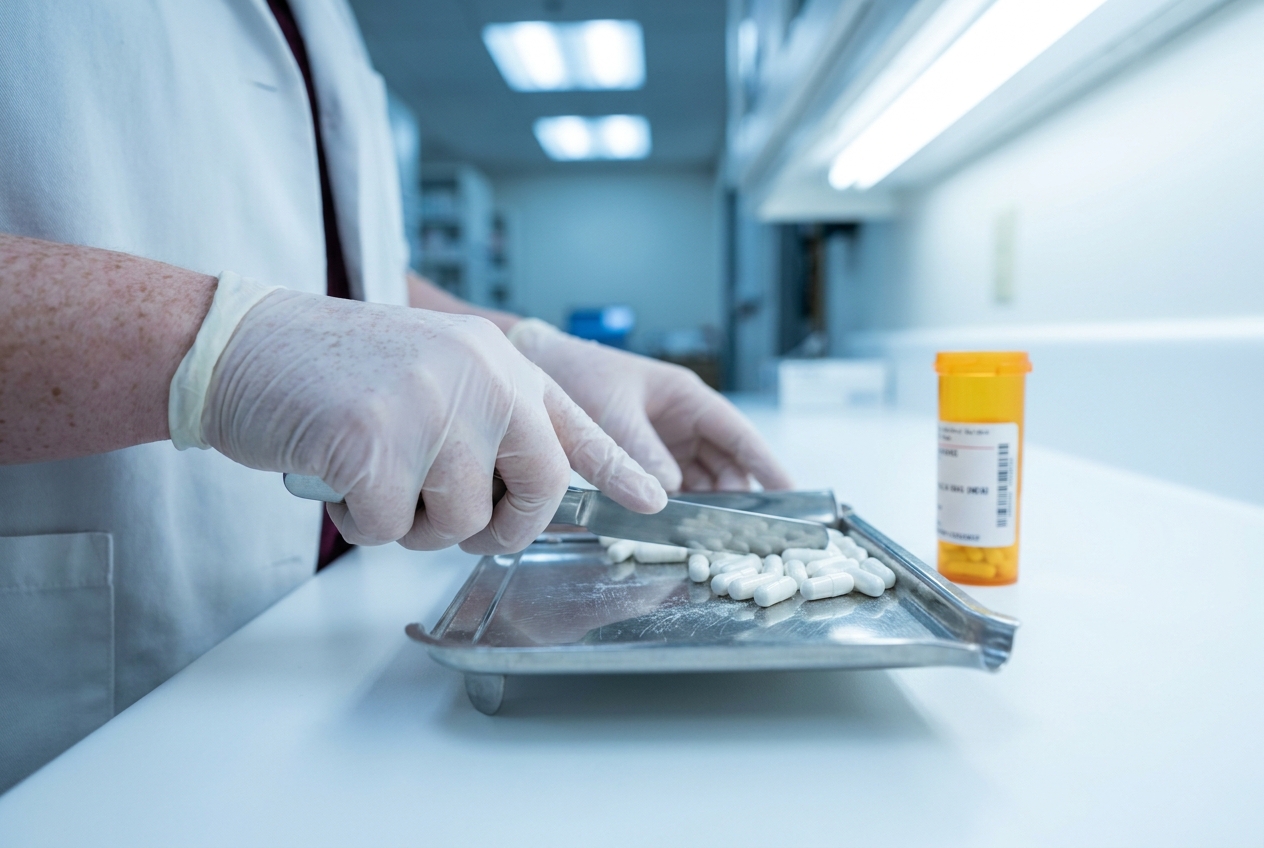
The defining characteristic of synthetic prescription antivirals is their intracellular specificity. These pharmaceutical medications are meticulously formulated to target distinct, highly specific stages of a pathogen’s lifecycle. Rather than destroying the organism broadly upon physical contact, these drugs interfere with complex internal cellular and enzymatic processes.
Research indicates that prescription antiviral therapeutics primarily function by targeting and inhibiting specific intracellular processes required for viral replication, such as blocking the synthesis of viral proteins and nucleic acids, or by preventing virus entry, assembly, budding, and uncoating (Antiviral Agents: Structural Basis of Action and Rational Design, 2024).
Because of this highly targeted, enzymatic mechanism, antivirals are strictly specific to individual pathogen types and strains. They are utilized as fast-acting interventions designed to quickly halt an acute biological process. Consequently, they are heavily regulated, require precise diagnostic oversight, and are generally not designed or prescribed for general, ongoing immune enhancement.
How Does Monolaurin Work Against Viruses?
Monolaurin (glycerol monolaurate) is a unique compound derived from lauric acid, a medium-chain fatty acid naturally found in coconut oil and breast milk. Unlike pharmaceuticals that act on internal replication pathways through chemical blockade, monolaurin operates primarily on the physical architecture of specific organisms.
Evidence suggests that monolaurin exerts significant antiviral efficacy through a direct biophysical mechanism: it physically disrupts the viral lipid envelope structure, alters its physicochemical properties, and severely compromises overall virion stability (Journal of Fish Diseases, 2026).
By physically dissolving the protective lipid membranes of enveloped viruses, monolaurin acts as a structural saboteur rather than an enzymatic inhibitor. This fundamental difference explains why the monolaurin antiviral benefits only apply to organisms encased in lipid envelopes, providing no structural disruption against non-enveloped variants. It also clarifies why monolaurin operates as a foundational tool for the immune system, gradually assisting the body in clearing compromised entities naturally without chemically interrupting human cellular function.
What Factors Influence the Choice Between Medications and Supplements?
The decision to utilize pharmaceutical medications versus integrating dietary supplements relies entirely on the individual’s specific health context, desired timeline, and overarching wellness goals.
- Acute Crisis vs. Long-Term Resilience: Pharmaceuticals offer immediate, acute intervention. They are implemented rapidly when a specific biological challenge is medically diagnosed. Conversely, monolaurin provides cumulative immune resilience through consistent daily use over several weeks, establishing a fortified nutritional baseline.
- Format and Adherence Routine: Consistency matters more than perfection with nutritional support. Monolaurin is incorporated into a standard daily regimen, usually taken alongside meals, focusing on long-term adherence and steady digestion rather than immediate, timed crisis management.
- Medical Oversight Requirements: Prescription medications demand direct medical oversight, careful monitoring of side effects, and strict dosing parameters to manage active conditions. Supplementing with monolaurin represents a self-directed dietary choice for those seeking independent, foundational health support without pharmaceutical side effects.

Frequently Asked Questions
Can monolaurin replace prescription antivirals?
No, monolaurin cannot serve as a substitute for prescription medication. It is a supportive nutritional supplement designed for cumulative daily immune support, whereas pharmaceuticals are fast-acting, highly engineered interventions meant for acute, diagnosed health crises.
Is monolaurin considered an antiviral drug?
Monolaurin is definitively categorized as a dietary supplement, not a drug. While peer-reviewed scientific studies outline its innate capacity to structurally disrupt lipid envelopes, it is legally and practically utilized for broad nutritional immune support rather than targeted disease treatment.
How long does it take for monolaurin supplements to work?
Because monolaurin is a daily dietary addition focused on building cumulative resilience, users generally evaluate its systemic impact over weeks or months of consistent use. It does not provide the rapid, hour-by-hour biological interruption characteristic of pharmaceutical medications.
Can you take monolaurin daily alongside other supplements?
Yes, integrating monolaurin into a daily routine is a standard practice for maintaining foundational immune and microbiome balance. It is typically taken with meals to ensure optimal digestive tolerance and can be seamlessly combined with other general health supplements.
The Role of Routine in Immune Support
Building a robust, dependable approach to overall immune health requires categorizing available tools appropriately. Prescription medications remain the definitive choice for acute, precisely diagnosed interventions where rapid intracellular interruption is necessary. In contrast, leveraging monolaurin daily benefits is a strategy focused on long-term, biophysical structural support and cumulative wellness.

For those focusing on foundational resilience, incorporating high-quality supplements with steadfast consistency is the ultimate goal. Establishing a routine around trusted monolaurin options based on strict quality criteria allows individuals to maintain practical, daily immune defenses without relying on complex medical interventions or unverified claims.
Continue Exploring
- Understanding the Antiviral Benefits of Monolaurin
- How Does Monolaurin Work Against Viruses? The Scientific Mechanisms Explained
References
- Antiviral Agents: Structural Basis of Action and Rational Design. (2024). https://doi.org/10.1007/978-3-031-65187-8_20
- Potent Inhibitory Effects of Lauric Acid and Glycerol Monolaurate Against CyHV-2 and the Viral Envelope, Journal of Fish Diseases, 2026. https://doi.org/10.1111/jfd.70129
- Understanding the Antiviral Benefits of Monolaurin, /understanding-the-antiviral-benefits-of-monolaurin
- How Does Monolaurin Work Against Viruses? The Scientific Mechanisms Explained, /articles/how-does-monolaurin-work-against-viruses-the-scientific-mechanisms-explained.md