
TL;DR
Yes, monolaurin is generally considered safe for children. As a functional lipid naturally found in human breast milk, it provides foundational immune support and is natively recognized by developing digestive systems. While the biological precedent for safety is strong, parents should always consult a pediatrician to determine appropriate usage and ensure it aligns with a child’s specific nutritional needs.
Key Takeaways
- Evolutionary precedent: Monolaurin is a derivative of lauric acid, a compound abundant in human breast milk that provides infants with natural immune defense.
- Mechanism of action: The compound supports immunity by physically disrupting the cellular envelopes of persistent pathogenic bacteria.
- Digestive tolerance: Monolaurin promotes gut health by encouraging beneficial bacteria like Bifidobacterium without causing widespread inflammation.
- Practical considerations: Because monolaurin has an extremely bitter taste, attempting to open and mix capsules into children’s food is rarely successful.
When evaluating the health benefits of monolaurin, safety is the primary concern for any pediatric supplement. The biological foundation for this compound begins at birth. Glycerol monolaurate (the scientific name for monolaurin) is a native, functional lipid present in human breast milk that provides vulnerable infants with baseline, highly tolerated immune support and direct protection against viral pathogens (Nutrients, 2021). Because the human digestive system is evolutionarily adapted to process this lipid from infancy, it is generally well-tolerated by children as they grow.
Understanding is monolaurin good for you or your child requires looking beyond basic safety and examining how the compound interacts with developing immune and digestive systems. The body metabolizes monolaurin efficiently, utilizing it as both an energy source and an active immunological tool.
However, transitioning from naturally occurring lauric acid in breast milk to a concentrated dietary supplement introduces practical variables. The format, frequency, and taste of the supplement play a significant role in establishing a consistent routine. Furthermore, while the compound itself is recognized by the body, concentrated amounts require careful integration to avoid mild digestive upset during the initial phases of use.

How Does Monolaurin Support A Child’s Immune System?
To understand how monolaurin supports immunity, it is necessary to examine both its direct antimicrobial properties and its secondary systemic effects.
Monolaurin exerts potent direct antimicrobial activity by functioning as a membrane-active agent. It significantly increases membrane permeability and physically disrupts the cellular envelopes of persistent pathogenic bacteria to neutralize them (Pharmaceuticals, 2026). This physical disruption is important because it neutralizes threats without contributing to antibiotic resistance, a crucial consideration for long-term pediatric health. By dismantling the structural integrity of these pathogens, monolaurin helps the body clear unwanted organisms before they establish a foothold.
Beyond direct antimicrobial action, glycerol monolaurate acts as a broad immunoregulator. Evidence suggests it reduces pro-inflammatory cytokines, enhances regulatory T cells, and promotes beneficial gut microbiota—such as Bifidobacterium—to strengthen the gut-immune axis (mBio, 2021). This means monolaurin for gut health translates directly to systemic immune defense. By elevating protective short-chain fatty acids and preventing excessive inflammatory responses, the compound supports a balanced immune environment rather than simply stimulating it into overdrive.
What Factors Affect Monolaurin Supplementation In Children?
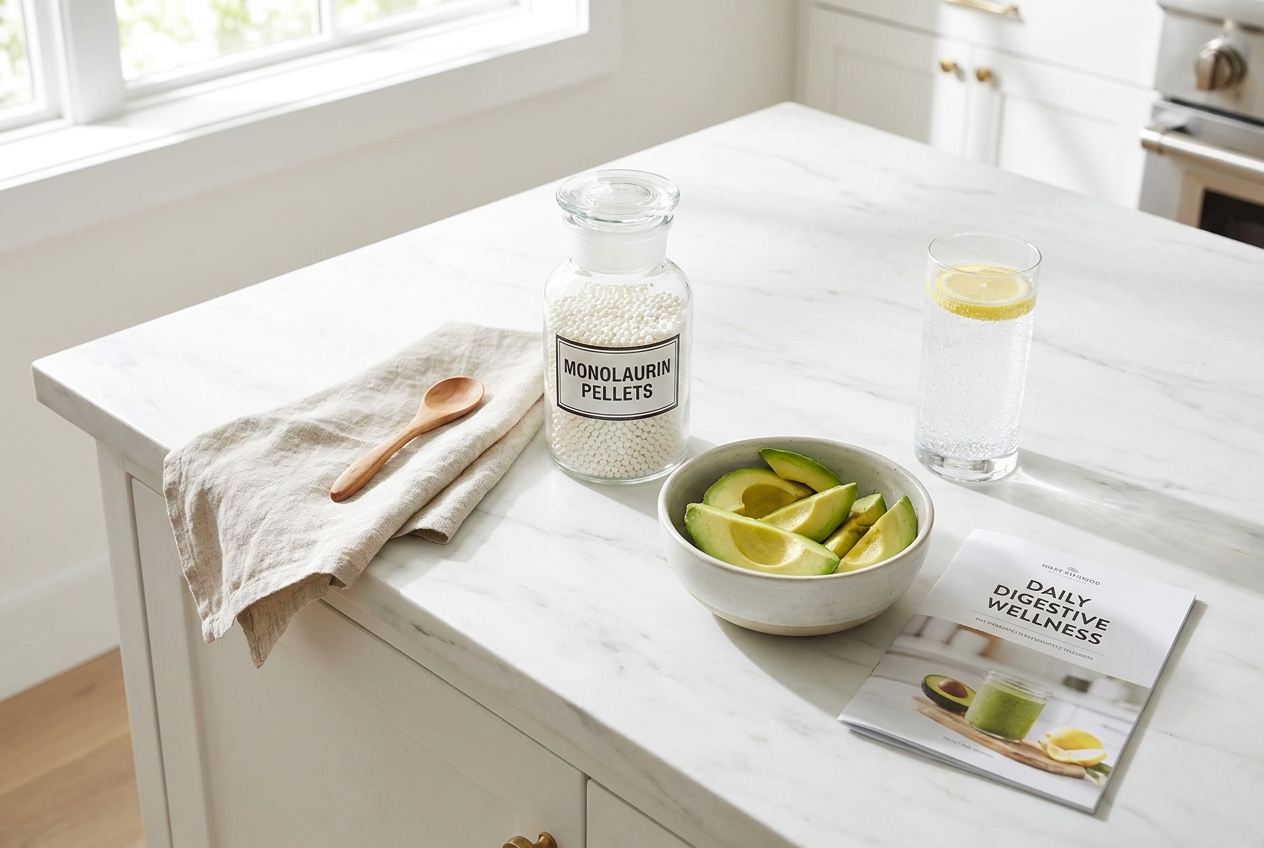
While the internal biology of monolaurin is straightforward, the external reality of giving supplements to children involves several practical hurdles. Consistency matters more than perfect timing, so understanding these factors ensures a more sustainable routine.
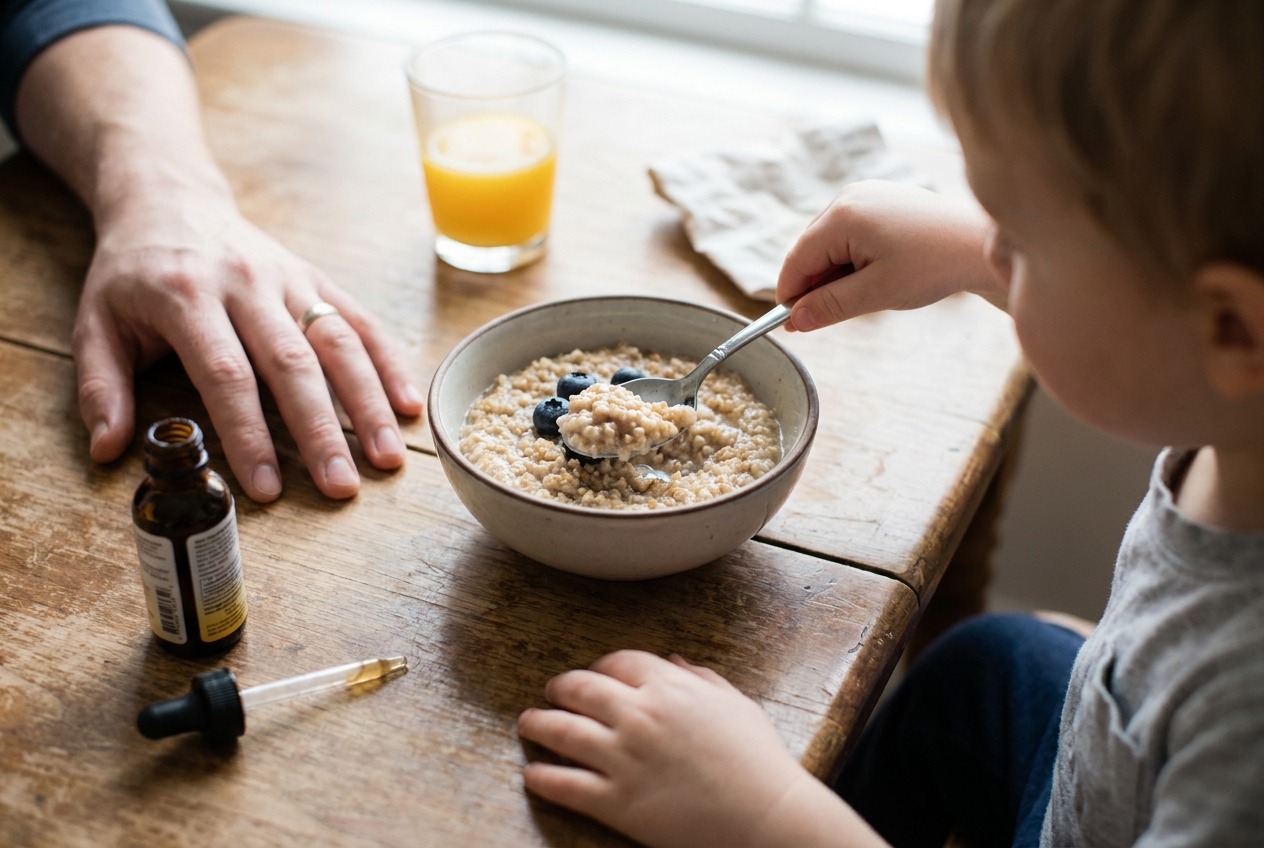
- Supplement Format and Taste: One of the most significant barriers to pediatric use is the physical format of the supplement. Monolaurin is naturally extremely bitter and soapy. As highlighted in internal guidance on Monolaurin for Kids, parents are explicitly warned against breaking capsules into applesauce or soft foods. The taste is typically too overpowering for children to tolerate, leading to immediate rejection.
- Swallowing Capabilities: Because opening capsules is not recommended, a child must be able to safely swallow a capsule or pellet to consume the supplement. This developmental milestone dictates when a concentrated supplement can realistically be introduced into their routine.
- Digestive Adjustment: Introducing any new immune-modulating compound can cause temporary digestive shifts. Starting with a minimal frequency allows the child’s gut microbiome to adapt to the lipid without causing an upset stomach. Taking the supplement with food rather than on an empty stomach further mitigates the risk of mild nausea.
- Quality Evaluation: When selecting a supplement, the source of the lauric acid matters. High-quality supplements are derived from pure coconut oil or palm kernel oil without unnecessary synthetic binders or fillers. Evaluating a product’s purity ensures the child is receiving the intended monolaurin immune support benefits without unwanted additives. (For pure, high-quality options, you can evaluate the selection at Shop Monolaurin).
Frequently Asked Questions
Can kids take monolaurin daily?
Yes, children can take monolaurin daily, provided the routine is established under the guidance of a pediatrician. The monolaurin daily benefits compound over time, as consistent exposure helps maintain a balanced gut microbiome and sustained baseline immune support.
Is monolaurin better than coconut oil for immune support?
While coconut oil contains lauric acid, the body must convert it into monolaurin, and this conversion process is highly inefficient (often yielding less than 5%). A dedicated supplement provides a concentrated dose of active glycerol monolaurate, making it a much more efficient delivery method for targeted immune support.
Does monolaurin cause an upset stomach in children?
Monolaurin is generally well-tolerated, but it can cause mild digestive upset or nausea if taken on an empty stomach or introduced too quickly. Ensuring the child takes the supplement alongside a meal containing other fats helps smooth digestion and improves absorption.
How do you mask the taste of monolaurin?
Because monolaurin has a highly bitter, soapy profile, attempting to mask the taste by mixing opened capsules into food is notoriously difficult and generally discouraged. The most practical approach is waiting until the child is old enough to swallow the intact capsule or utilizing small, swallowable pellets that bypass the taste buds entirely.
Summary
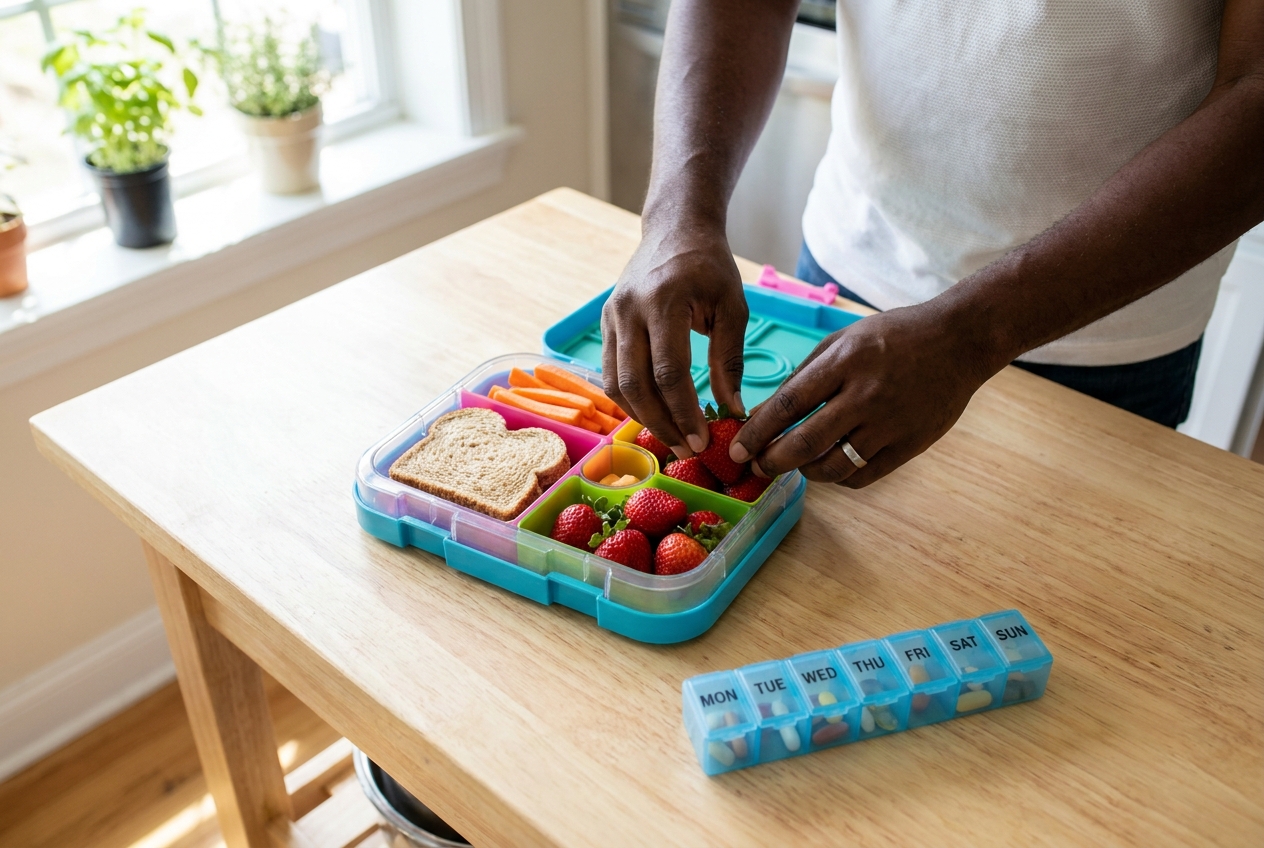
The fundamental biology of monolaurin makes it a safe, naturally recognized compound for children. With evolutionary roots in human breast milk, glycerol monolaurate offers dual-action defense by physically disrupting pathogen membranes and systemically supporting the gut-immune axis. The primary challenges with pediatric use are not related to biological safety, but rather the practical realities of taste, format, and swallowing capabilities. By focusing on consistency, utilizing intact capsules or pellets to bypass the bitter taste, and pairing the supplement with food, parents can effectively harness monolaurin benefits for their children. Always consult a healthcare provider before beginning any new supplement routine.
Continue Exploring
- In the Age of Viral Pandemic, Can Ingredients Inspired by Human Milk and Infant Nutrition Be Repurposed to Support the Immune System?, Nutrients, 2021. https://doi.org/10.3390/nu13030870
- Monocaprin, Monolaurin, and Monomyristin Eradicate Staphylococcus aureus Persister Cells Through Membrane Disruption, Pharmaceuticals, 2026. https://doi.org/10.3390/ph19050690
- Novel Gut Microbiota Patterns Involved in the Attenuation of Dextran Sodium Sulfate-Induced Mouse Colitis Mediated by Glycerol Monolaurate via Inducing Anti-inflammatory Responses, mBio, 2021. https://doi.org/10.1128/mBio.02148-21
- Monolaurin for Kids. https://monolaurinandmore.com/articles/monolaurinforkids/