
TL;DR
Monolaurin is a naturally occurring lipid derived from lauric acid that provides broad-spectrum immune support. Scientific evidence indicates it works primarily by physically disrupting the protective lipid envelopes of specific viruses and selectively inhibiting harmful bacteria. While not a medical treatment, daily monolaurin uses support systemic cellular defense, gut microbiome balance, and overall immune resilience.
Key Takeaways
- Monolaurin neutralizes lipid-coated viruses by dissolving their external protective membranes, inhibiting their ability to replicate.
- Emerging research demonstrates targeted antibacterial properties, inhibiting specific harmful strains while preserving beneficial gut flora and intestinal barrier function.
- Daily supplementation upregulates critical antiviral immune genes and supports natural leukocyte production for systemic defense.
- Evaluating quality criteria is essential when selecting a supplement, as pure monolaurin formulations offer higher concentrated efficacy than whole coconut oil.
Decoding the Monolaurin Immune Support Benefits
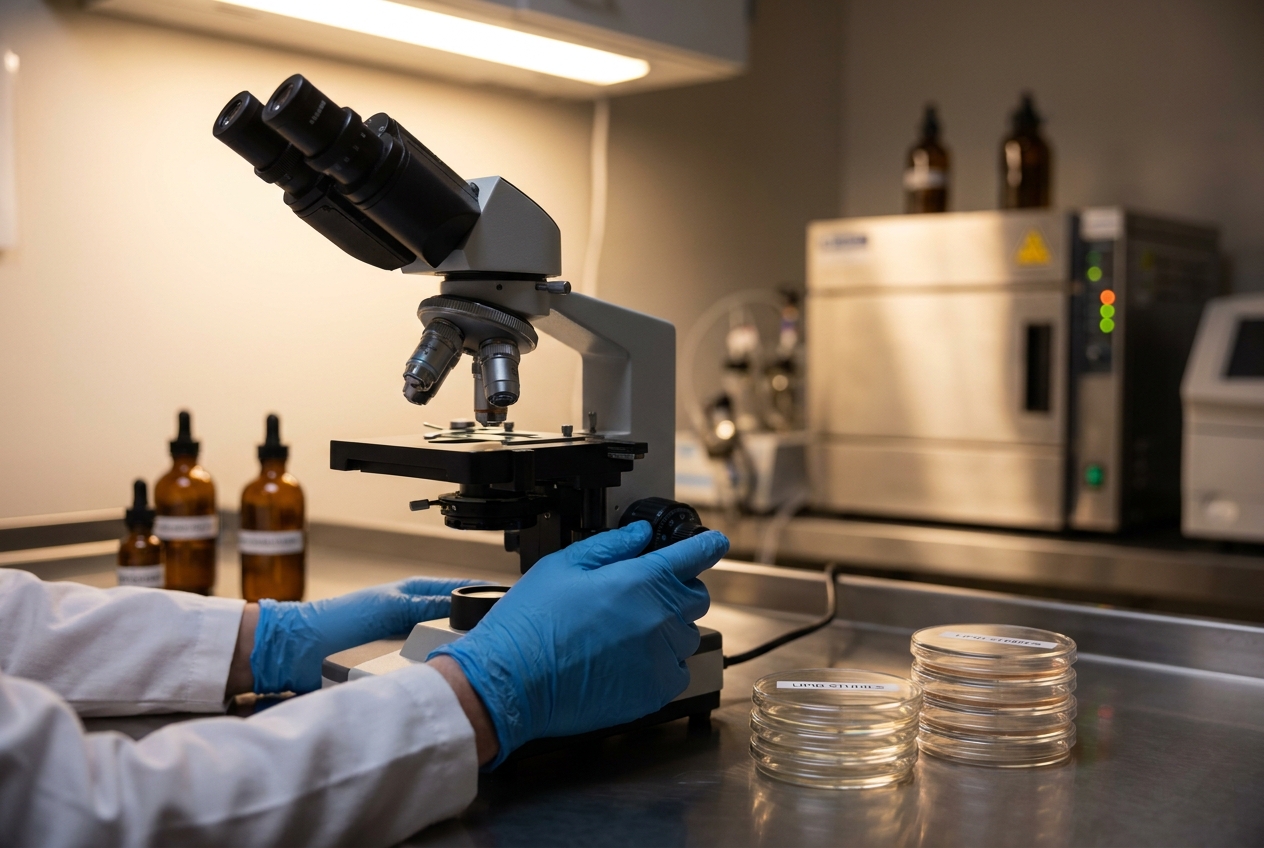
Understanding the health benefits of monolaurin requires separating biological mechanisms from marketing hype. Monolaurin (glycerol monolaurate) is a medium-chain fatty acid ester. When introduced to the body, it does not act as a pharmaceutical cure; instead, it interacts with cellular membranes to influence immune and microbial environments.
Research highlights that monolaurin supports immune health through selective antimicrobial action. Unlike broad-spectrum interventions that eliminate both beneficial and harmful microbes, monolaurin primarily targets organisms protected by specific lipid layers. For those integrating it into a daily supplement routine, this selective mechanism supports systemic immune resilience without compromising native microbiome balance. As detailed in our comprehensive intro to monolaurin, this compound offers both systemic and gut-specific advantages.
In clinical models, targeted applications of monolaurin have shown efficacy in addressing stubborn topical issues. For example, a 2025 study in Scientific Reports found that monolaurin exhibited strong targeted antibacterial properties against antimicrobial-resistant Staphylococcus aureus (including MRSA) isolated from human skin lesions, effectively inhibiting the pathogens without demonstrating cytotoxicity to epidermal and dermal cells [3].
How Does Monolaurin Work? The Core Mechanisms
Disrupting Viral Envelopes
The primary monolaurin antiviral benefit stems from its interaction with viral lipid membranes. Many common human viruses—including influenza and coronaviruses—are “enveloped,” meaning they are encased in a lipid bilayer. Monolaurin physically inserts itself into this protective layer.
A 2026 analysis published in the Journal of Fish Diseases confirmed that monolaurin significantly inhibits viral replication and infectivity by directly disrupting the viral envelope structure, altering its physicochemical properties, and compromising the structural stability of the virions [1]. By dissolving this envelope, the compound renders the virus unable to bind to or infect host cells. Further validating this mechanism, research in Pharmaceutics (2025) demonstrated that formulations containing monolaurin achieved greater than 99.99% in vitro virucidal efficacy and rapid log reductions against major human enveloped viruses, including SARS-CoV-2 and multiple influenza strains [2].
For a deeper dive into these biophysical interactions, read How Does Monolaurin Work Against Viruses?, which details how the compound physically neutralizes these cellular threats.
Preserving Gut Microbiome Balance
The monolaurin digestive health benefits rely on its dual-action profile within the gastrointestinal tract. Rather than merely eliminating bacteria indiscriminately, monolaurin helps preserve the physical integrity of the gut lining.
A 2025 study in Viruses revealed that glycerol monolaurate restored crucial tight junction proteins (claudin-1 and ZO-1) to protect the intestinal barrier, while actively remodeling the gut microbiome by decreasing pathogenic Escherichia-Shigella and increasing beneficial bacterial genera [4]. This structural support prevents intestinal permeability, a common trigger for systemic inflammation.
Systemically, monolaurin also strengthens innate defense mechanisms. Research from the British Journal of Nutrition (2024) indicates that monolaurin administration significantly enhanced systemic immune defense function by increasing leukocyte populations, boosting antioxidant enzyme activity, and upregulating the expression of critical antiviral immune genes like ISG15 and IFIT3 [5].
What Factors Affect Monolaurin Efficacy?
Several variables dictate how effectively monolaurin supports the immune system in real-world application:
- Format and Purity: The concentration of active glycerol monolaurate dictates biological impact. Pure supplement forms deliver reliable concentrations, unlike raw coconut oil, which requires hepatic conversion to yield functional monolaurin.
- Consistency of Intake: Immune support compounds function best through steady biological availability. Adherence to a consistent daily intake schedule is more impactful than isolated, high-dose applications during periods of stress.
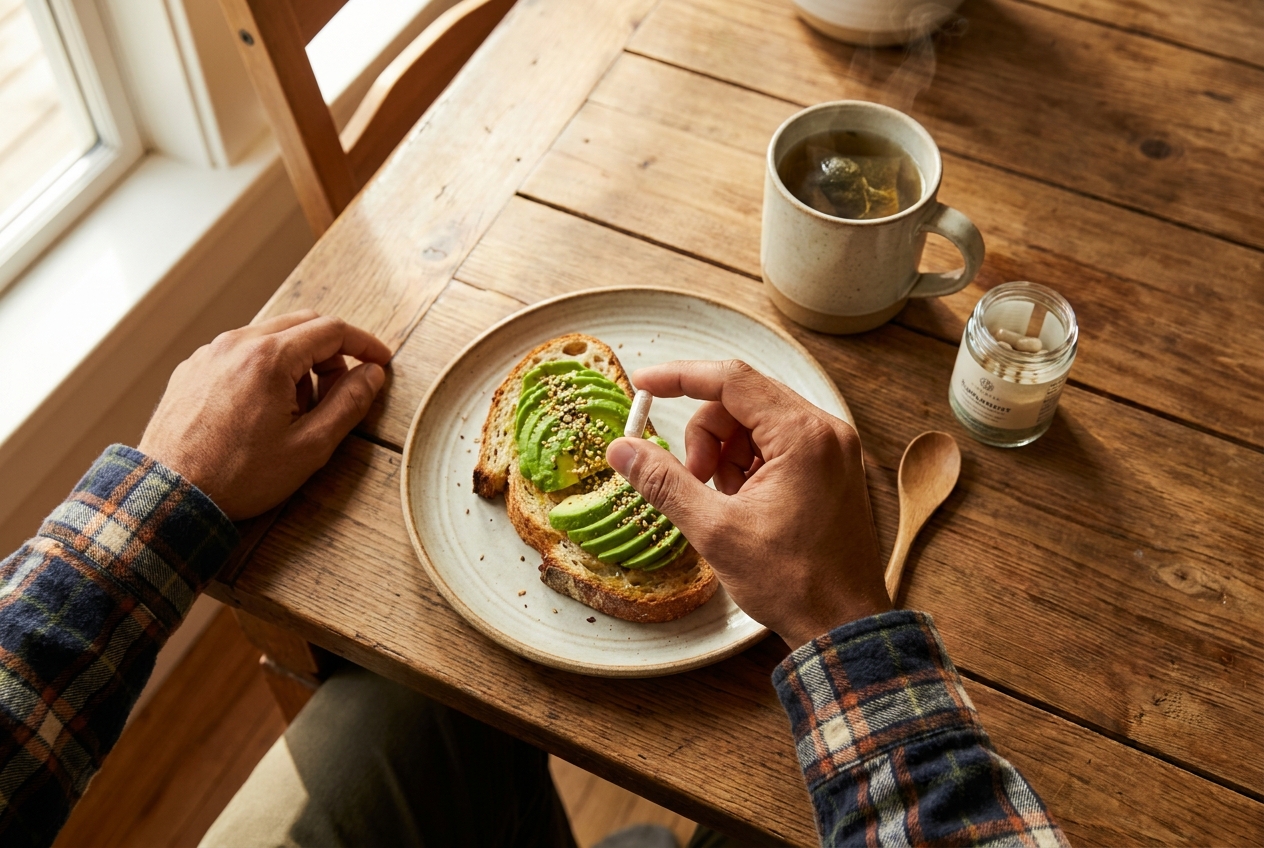
- Food Context: As a lipid-derived compound, monolaurin absorption is influenced by digestive environments. Taking it alongside dietary fats can support gastrointestinal tolerance and optimize absorption rates.
When evaluating a supplement, prioritize formulations that emphasize purity and clear quality criteria. For integrated, high-quality options, you can explore available monolaurin supplements here.
Frequently Asked Questions
What is monolaurin good for?
Monolaurin is primarily utilized for broad-spectrum immune system support. It reinforces native immune defenses, helps maintain healthy gut microbiome balances, and provides targeted physiological disruption against specific lipid-coated viruses and bacteria.
Is monolaurin better than coconut oil?
Yes, for targeted monolaurin benefits, direct supplementation is significantly more efficient than consuming coconut oil. While coconut oil contains lauric acid, the human body converts only a small fraction (typically under 3%) of that lauric acid into active monolaurin.
How does monolaurin support the immune system?
Monolaurin supports immunity through direct and indirect pathways. Directly, it physically disrupts the lipid envelopes of select pathogens. Indirectly, it upregulates antiviral immune genes, boosts antioxidant enzyme activity, and increases systemic leukocyte (white blood cell) populations.
Can you take monolaurin daily?
Yes, consistent daily use aligns with how monolaurin exerts its biological effects. Because it preserves beneficial gut flora while inhibiting harmful organisms, it is well-suited for long-term immune reinforcement and microbiome maintenance.
The Bottom Line on Monolaurin Uses
The established scientific benefits of monolaurin position it as a precise, mechanically validated tool for immune support. By targeting the lipid membranes of enveloped viruses and specific bacterial pathogens, it offers an evidence-backed approach to cellular defense without disrupting healthy biological systems. Consistent application—prioritizing adherence and quality formulations—maximizes its capacity to support gut barrier integrity and systemic immune function.
Continue Exploring
References
- Potent Inhibitory Effects of Lauric Acid and Glycerol Monolaurate Against CyHV-2 and the Viral Envelope, Journal of Fish Diseases, 2026. Link
- In Vitro Development of Local Antiviral Formulations with Potent Virucidal Activity Against SARS-CoV-2 and Influenza Viruses, Pharmaceutics, 2025. Link
- Monolaurin inhibits antibiotic-resistant Staphylococcus aureus in patients with atopic dermatitis, Scientific Reports, 2025. Link
- Complex Medium-Chain Triglycerides Mitigate Porcine Epidemic Diarrhea Virus Infection in Piglets by Enhancing Anti-Inflammation, Antioxidation, and Intestinal Barrier Function, Viruses, 2025. Link
- Effects of monolaurin on intestinal barrier, blood biochemical profile, immunity and antioxidant function, British Journal of Nutrition, 2024. Link