
TL;DR
Monolaurin interacts with the lipid envelope of the Herpes Simplex Virus (HSV). While not a medical treatment, informational intake ranges often fall between 1,000 mg and 3,000 mg daily for immune support. Establishing a consistent daily routine and selecting a pure supplement format matters more than chasing a single optimal dose.
Key Takeaways
- Monolaurin physically interacts with the protective lipid envelope surrounding the Herpes Simplex Virus.
- Routine consistency and adherence to a daily schedule provide more stability than fluctuating intake amounts.
- Informational ranges for adult immune support typically span 1,000 mg to 3,000 mg daily.
- Selecting a high-purity supplement without synthetic binders supports predictable absorption.
The Role of Monolaurin in Immune Routines
The search for immune support often leads to questions about how specific compounds interact with viral structures. Herpes Simplex Virus (HSV)—including HSV-1 and HSV-2—is a chronic condition that prompts many to explore monolaurin as part of a daily wellness routine. HSV permanently resides within the sensory nerve ganglia, shifting into active states during periods of physiological or psychological stress.

Understanding the health benefits of monolaurin requires separating practical immune support from medical claims. While the internet is filled with searches for the “best dose” to manage outbreaks, actual biological support relies on consistent routine rather than a single perfect measurement. Examining how this compound behaves at a structural level clarifies its role in a broader wellness strategy.
Monolaurin and the Viral Lipid Envelope
The fundamental interaction between monolaurin and HSV occurs at the cellular membrane. HSV is a lipid-enveloped virus, meaning its genetic material is protected by a fatty outer layer stolen from the host cell. This phospholipid envelope is essential for the virus to attach to and successfully enter healthy cells.
Monolaurin is a monoester formed from lauric acid and glycerin. Because its molecular structure is highly amphiphilic—containing both water-attracting and fat-attracting properties—it is physically similar to the lipids in the viral envelope. Monolaurin inserts itself into this protective layer, disrupting the structural integrity of the envelope. This destabilization weakens the virus’s ability to maintain its form or effectively bind to host receptors.
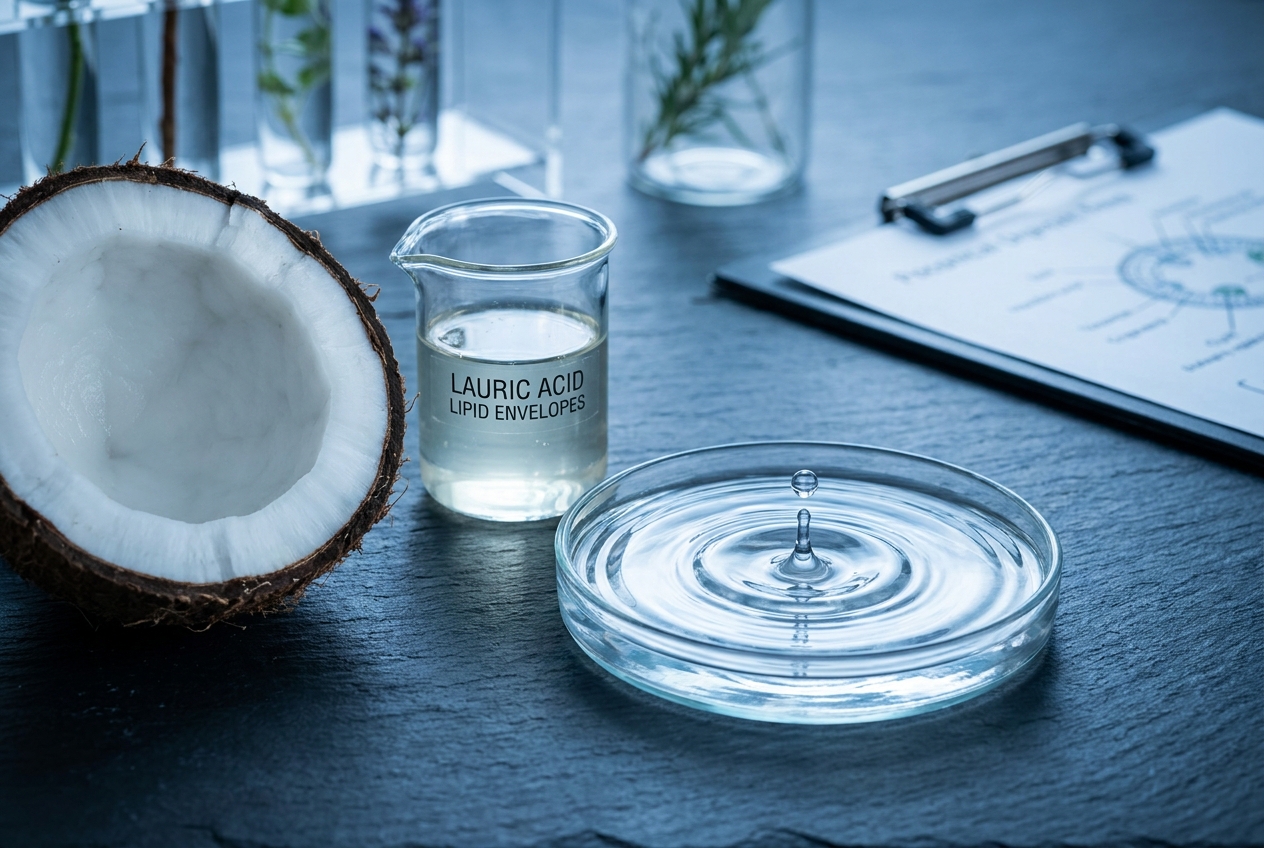
This mechanism explains the specific interest in monolaurin for viral infections. It does not act as a traditional pharmaceutical antiviral that targets viral replication enzymes. Instead, it alters the physical architecture of the virus itself, providing structural immune support without building viral resistance.
Intake Variables and Supplement Selection
Navigating monolaurin uses requires a strict focus on adherence and consistency. Because managing the physiological stressors that trigger HSV is an ongoing process, the context in which a supplement is taken heavily influences its practical value.
Establishing Routine Ranges
While specific dosing prescriptions are outside the scope of informational guidance, general adult intake often ranges from 1,000 mg to 3,000 mg per day. The priority is establishing a baseline that can be maintained daily, rather than reacting to immune stressors with sudden, unsustainable spikes in intake. A steady daily intake provides continuous systemic support.
Food Context and Tolerance
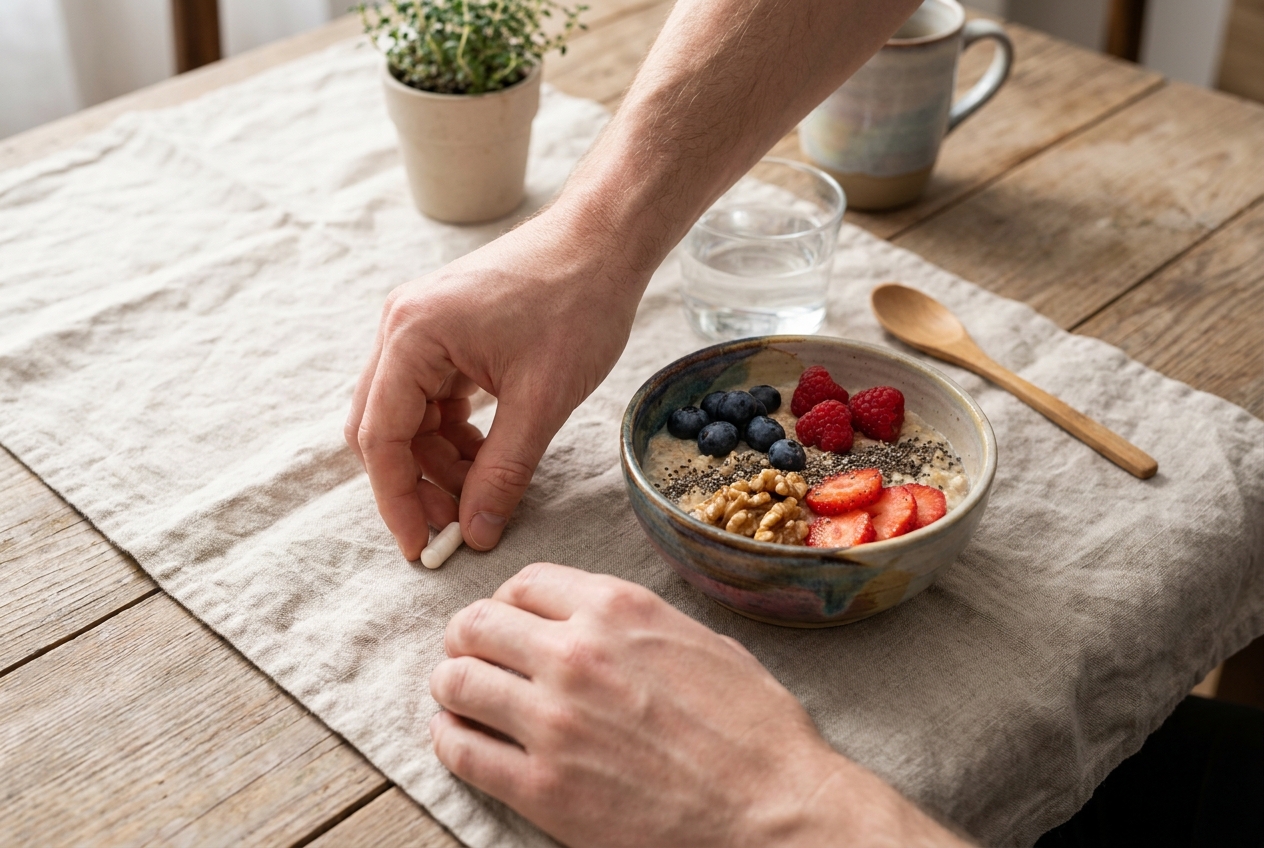
Introducing monolaurin into a daily routine requires attention to digestive tolerance. Taking the supplement alongside a meal or a small snack helps minimize the risk of gastric upset. Splitting the total daily amount into two separate servings—such as morning and evening—further supports consistent absorption and prevents the digestive system from processing an overwhelming amount at once.
Evaluating Supplement Quality
Not all formats deliver the same stability. Evaluating a product for purity ensures the expected monolaurin daily benefits are supported by the actual contents. High-quality options prioritize pure monolaurin without unnecessary fillers, synthetic flow agents, or harsh binders that complicate digestion. For a reliable, standardized option that meets strict purity criteria, you can explore quality formats at Shop Monolaurin.
Frequently Asked Questions
Does monolaurin kill the herpes virus?
Monolaurin is not a cure or medical treatment for HSV. It works by disrupting the lipid envelope of the virus, which supports the body’s natural immune response, but it does not eliminate the virus from the nervous system where it remains dormant.
When should monolaurin be taken during the day?
Consistency is more important than specific timing. Taking monolaurin at the same times each day, typically split into morning and evening servings, helps establish a reliable routine and steady absorption.
Should monolaurin be taken daily or only during outbreaks?
Maintaining a continuous daily baseline offers more structural stability than taking it solely in reaction to physiological stress. A consistent daily routine supports ongoing immune readiness without sudden fluctuations in intake.

Should monolaurin be taken with food?
Yes. Taking monolaurin alongside a meal or a snack is highly recommended. This practice minimizes the potential for digestive discomfort and supports better integration into a daily dietary routine.
Is monolaurin more effective than coconut oil for immune support?
While coconut oil contains lauric acid, the human body must convert it into monolaurin, a biological process that is highly inefficient. A dedicated monolaurin supplement provides a concentrated, direct source of the active compound without the excessive caloric load of raw coconut oil.
Summary
Integrating monolaurin into an immune routine for HSV centers on understanding its structural interaction with lipid-enveloped viruses. By disrupting the viral envelope, monolaurin provides a specific, functional mechanism for immune support without acting as a pharmaceutical treatment.
Success with this supplement relies heavily on routine discipline. Identifying a sustainable daily intake range, taking the supplement with food to ensure tolerance, and selecting a high-purity product form the foundation of an effective approach. Consistency and adherence always outpace the pursuit of a perfect, isolated dose.