
TL;DR
Monolaurin is a natural derivative of lauric acid that supports gut health by targeting the structural vulnerabilities of specific bacteria. For individuals exploring nutritional support for Small Intestinal Bacterial Overgrowth (SIBO), monolaurin functions by disrupting protective bacterial biofilms and destabilizing the lipid membranes of over-colonized pathogens, encouraging a more balanced microbiome.
Key Takeaways
- Monolaurin acts as a natural surfactant, physically compromising the lipid envelopes of certain bacteria associated with SIBO.
- The compound actively interferes with the formation and stability of protective bacterial biofilms in the intestinal tract.
- Emerging evidence suggests monolaurin inhibits targeted pathogens while preserving beneficial flora like lactobacilli.
- Gradual integration into a supplement routine is prioritized to minimize potential die-off reactions during microbiome shifts.
Small Intestinal Bacterial Overgrowth (SIBO) occurs when bacteria that normally inhabit the large intestine abnormally proliferate in the small intestine. This over-colonization interferes with digestion, nutrient absorption, and gut motility, leading to persistent digestive discomfort. Managing this environment requires a careful balance of reducing problematic bacteria without indiscriminately wiping out the essential microbial ecosystem.
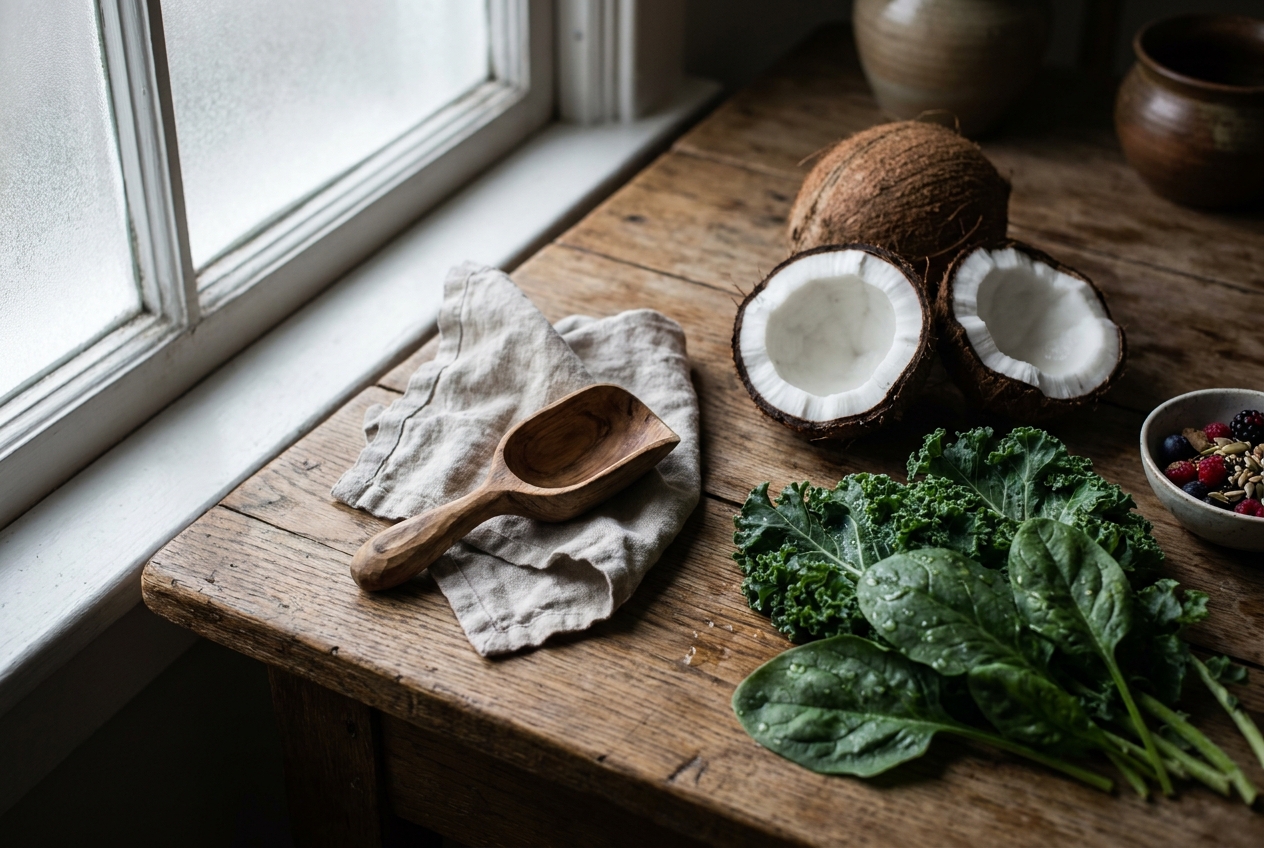
In the context of digestive health, monolaurin benefits stem from its unique chemical structure. As an ester of lauric acid—a medium-chain fatty acid found abundantly in coconut oil—monolaurin offers targeted, sustained antimicrobial properties. Rather than acting as a blunt-force antibacterial agent, it leverages physical and structural mechanisms to challenge the survival of specific overgrowths.
How Does Monolaurin Target Bacterial Overgrowth?
To understand how monolaurin supports immunity and gut balance, it is necessary to look at how bacteria defend themselves in the gastrointestinal tract. Monolaurin addresses two primary defense mechanisms used by SIBO-associated bacteria: lipid membrane integrity and biofilm formation.
Destabilizing Lipid Membranes
Many of the problematic bacteria involved in gut dysbiosis rely on complex lipid (fat) membranes for survival and cellular signaling. Monolaurin functions as a natural surfactant. Because its molecular structure closely resembles the lipids in these bacterial membranes, it can insert itself directly into the cell wall of the pathogen.
Once integrated, monolaurin destabilizes the bacterial envelope. A study published in Molecules found that monolaurin exhibited strong, targeted inhibitory effects on Gram-positive bacteria, demonstrating high efficacy against gastrointestinal pathogens such as Clostridium perfringens and Enterococcus faecalis [1]. By compromising the membrane, monolaurin causes the pathogen to leak cellular contents, ultimately leading to cell death.
Furthermore, this bactericidal action extends beyond active cells. Research in mSphere established that glycerol monolaurate (another term for monolaurin) is strictly bactericidal against both vegetative cells and highly resistant spores of anaerobic Gram-positive gut bacteria, successfully eradicating dormant Clostridium spores [2].
Dismantling Bacterial Biofilms
Bacteria rarely exist in isolation in the gut. Instead, they secrete a protective, sticky matrix called a biofilm. This extracellular shield adheres to the intestinal lining, making the bacteria highly resistant to the immune system and traditional antimicrobial agents. Biofilms are a primary reason why overgrowths like SIBO can be stubborn to manage.
Monolaurin actively interferes with the materials that make up this lipid-rich matrix. According to research in Surgical Infections, glycerol monolaurate significantly reduces both the biofilm biomass and the cellular viability of Enterococcus faecalis, a prominent intestinal bacterium [3]. By acting as a surfactant, monolaurin strips away these protective extracellular matrices.
Further exploring this mechanism, understanding the science of gut balance reveals that monolaurin also destabilizes the envelopes of certain Gram-negative pathogens and dismantles biofilms at a genetic level, downregulating genes responsible for bacterial cell attachment [4]. Without their structural shield, the over-colonized bacteria are exposed and neutralized.
What Factors Affect Gut Balance When Taking Monolaurin?
When exploring monolaurin for microbiome balance, the effectiveness and tolerance of the supplement depend on several operational factors in the gut environment.
- Titration and Tolerance: The rate at which bacteria are neutralized matters. Introducing a highly effective biofilm disruptor too quickly can result in a sudden release of bacterial toxins. Gradual titration is necessary for long-term consistency.
- Microbiome Preservation: Unlike broad-spectrum approaches that clear out both beneficial and problematic bacteria, targeted agents influence specific strains. Evidence suggests that while monolaurin eradicates pathogenic overgrowths, it increases the presence of beneficial lactobacilli, helping to restore intestinal tight junction proteins like claudin-1 and ZO-1 [5].
- Dietary Context: Monolaurin works on the microbial environment, but the underlying motility of the gut and the dietary fermentable carbohydrates (FODMAPs) consumed play a major role in SIBO management. Monolaurin is most effective when paired with dietary strategies that limit the food supply of the overgrowth.

Frequently Asked Questions
Is monolaurin better than coconut oil for gut health?
While coconut oil contains roughly 50% lauric acid, the human body is highly inefficient at converting lauric acid into monolaurin. You would need to consume restrictive, unpalatable amounts of coconut oil to yield a therapeutically relevant dose of monolaurin. Taking a purified monolaurin supplement provides a concentrated, direct delivery of the active compound without the heavy caloric and fat load of whole coconut oil.
Does monolaurin cause die-off reactions?
Yes, it can. As monolaurin rapidly breaks down bacterial cell walls and biofilms, the dying bacteria release endotoxins into the bloodstream faster than the body can clear them. This creates a temporary immune response known as a Herxheimer (die-off) reaction, characterized by fatigue, brain fog, or mild digestive upset. Proper SIBO and gut balance integration involves starting with a low intake and gradually increasing it to minimize these effects [6].
Does monolaurin harm beneficial gut bacteria?
Emerging research indicates that monolaurin has a highly selective antimicrobial profile. Because its action heavily targets the specific lipid structures of pathogenic Gram-positive bacteria and certain lipid-coated viruses, it largely leaves beneficial gut flora, such as Bifidobacteria and Lactobacilli, intact. This selective pressure is why monolaurin helps with SIBO while supporting overall microbiome restoration [5].
What is the best way to integrate monolaurin into a daily routine?
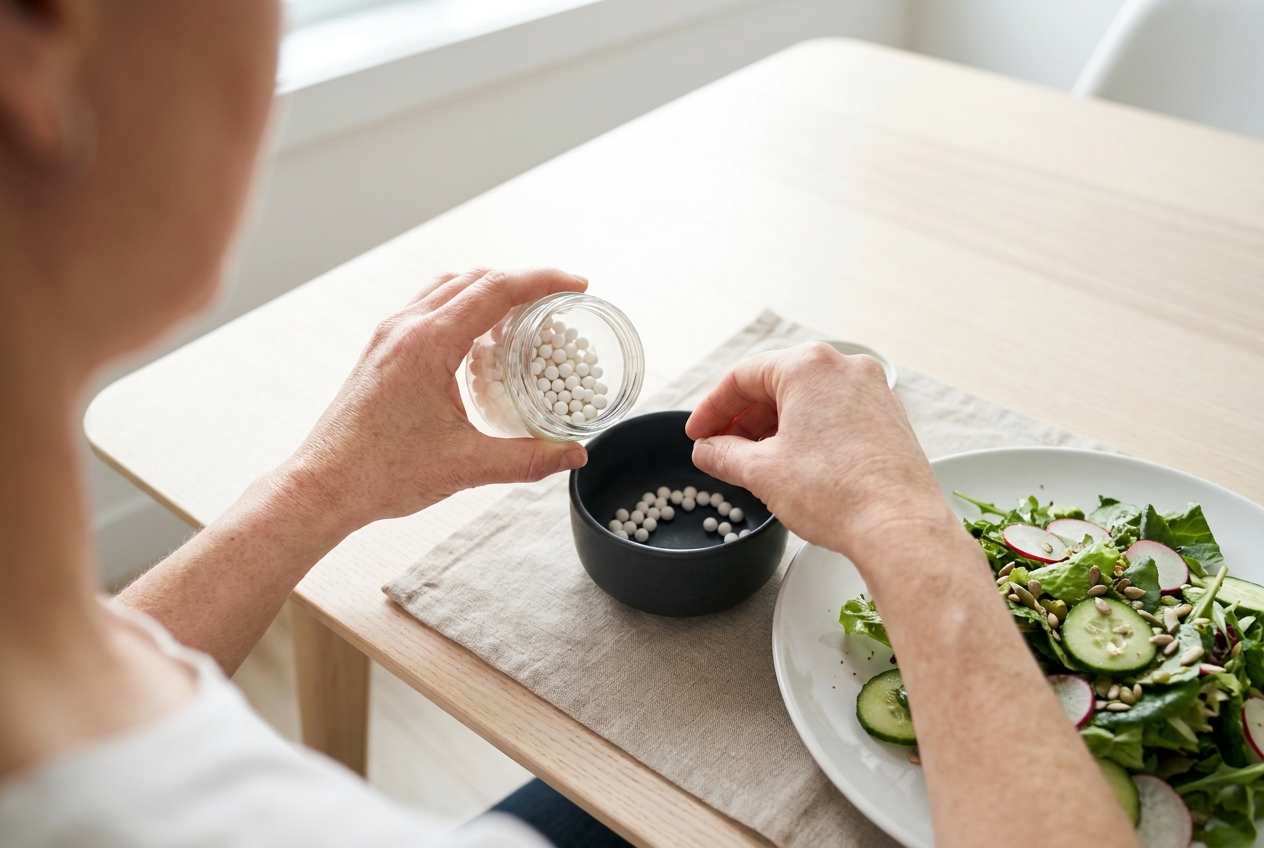
Consistency is more important than optimal timing. Monolaurin is typically best taken with meals to improve absorption and minimize mild stomach upset. Formats like pellets allow for precise, incremental scaling, letting users start with a small amount and slowly build up their intake as their body adapts.
Summary
Using monolaurin for digestive health benefits offers a targeted, structural approach to managing bacterial overgrowths. By acting as a natural surfactant, monolaurin physically destabilizes the lipid membranes of pathogenic bacteria and actively degrades the protective biofilms that allow SIBO to persist. Because of its selective nature, it targets the problematic overgrowth while preserving the beneficial bacteria required for a healthy intestinal barrier. When integrated patiently and consistently into a daily routine, it provides a stable foundation for long-term microbiome balance.
To explore high-quality options for your routine, visit Shop Monolaurin.
Continue Exploring
- Monolaurin and Gut Microbiota Balance
- Monolaurin and Digestive Health
- Can Monolaurin Help with Bloating and Indigestion?
- Can Monolaurin Help With SIBO? Understanding the Science of Gut Balance
- How Is Monolaurin Used for SIBO and Gut Balance?
- Does Monolaurin Help With SIBO?
References
- Kovanda L et al., In Vitro Antimicrobial Activities of Organic Acids and Their Derivatives on Several Species of Gram-Negative and Gram-Positive Bacteria, Molecules, 2019. https://doi.org/10.3390/molecules24203770
- Schlievert PM et al., Glycerol Monolaurate (GML) and a Nonaqueous Five-Percent GML Gel Kill Bacillus and Clostridium Spores, mSphere, 2018. https://doi.org/10.1128/mSphereDirect.00597-18
- Hess DJ et al., The Natural Surfactant Glycerol Monolaurate Significantly Reduces Development of Staphylococcus aureus and Enterococcus faecalis Biofilms, Surgical Infections, 2015. https://doi.org/10.1089/sur.2014.162