TL;DR
Coccidian parasites like Cyclospora cause significant gastrointestinal distress and have recently been in the spotlight due to a multistate U.S. foodborne outbreak linked to contaminated produce. While immediate medical treatment with antibiotics is the established standard of care for infections, scientists are simultaneously studying natural compounds like monolaurin and curcumin in laboratory models to better understand how they may disrupt parasitic cell membranes.
Key Takeaways
- Cyclospora, Cryptosporidium, and Toxoplasma are complex protozoan parasites that require standard medical intervention, such as TMP-SMX, to properly resolve.
- Preclinical laboratory research indicates that monolaurin can physically disrupt the lipid membranes of certain protozoal organisms, though this has not been proven in human clinical trials.
- Advanced formulations, such as curcumin nanoemulsions, are actively studied for their ability to break down protective parasitic structures and biofilms in animal models.
- Botanical compounds like artemisinin, eugenol, and resveratrol represent an emerging area of parasitology research, but they are not approved treatments for any parasitic infection.
Seasonal agricultural events, such as the widely monitored summer Cyclospora outbreaks linked to iceberg lettuce, routinely push foodborne parasites into the public spotlight. When gastrointestinal symptoms like watery diarrhea, severe cramping, and profound fatigue strike, the immediate requirement is proper medical diagnosis and intervention.
Alongside standard medical protocols, parasitologists maintain an active interest in botanical compounds. Researchers are investigating exactly how isolated plant derivatives interact with the structural defenses of various pathogens in laboratory settings. This ongoing scientific curiosity has produced a robust body of preclinical data regarding the mechanisms of natural compounds against microscopic invaders.
Understanding Coccidian Parasites: Cyclospora, Cryptosporidium, and Toxoplasma Explained
Coccidia are a subclass of microscopic, single-celled protozoan parasites that infect the intestinal tracts of animals and humans. Cyclospora cayetanensis, Cryptosporidium, and Toxoplasma gondii are three heavily researched members of this group.
Cyclosporiasis – the intestinal illness caused by Cyclospora – is typically contracted by consuming food or water contaminated with the parasite’s oocysts (a hardy, spore-like phase of the organism). Health organizations maintain active surveillance of cyclical outbreaks, frequently linked to imported fresh produce like berries, basil, and iceberg lettuce.
The standard medical treatment for a Cyclospora infection is trimethoprim-sulfamethoxazole (TMP-SMX), an established antibiotic combination. This protocol is not optional or replaceable by dietary supplements. Anyone experiencing persistent gastrointestinal symptoms should seek immediate medical care for accurate stool testing and targeted prescription management.

Monolaurin and Protozoal Parasites: What the Research Actually Shows
Monolaurin benefits stem primarily from its structure as a lipid-derived molecule. In parasitology, researchers focus on how this compound – a monoester formed from glycerol and lauric acid—interacts with the protective barriers of single-celled organisms.
In vitro and animal models show that monolaurin targets the lipid envelopes of certain pathogens. A foundational study published in 2005 established that lauric acid (the direct precursor to monolaurin) exerts potent anti-giardial activity. It accumulates within the parasite cytoplasm and induces the physical rupture of the cell membrane in organisms like Giardia duodenalis.
Similar preclinical observations have been made regarding Entamoeba histolytica and Blastocystis. Current studies analyzing monolaurin and food-borne bacterial pathogens suggest that its antimicrobial impact relies on this structural disruption. Furthermore, evidence indicates that monolaurin’s stability allows it to maintain this lipid-disrupting mechanism even in highly acidic environments, a property actively explored in research on monolaurin and gastritis.
While researchers have begun studying related coccidian parasites like Cyclospora and Cryptosporidium using various botanical extracts, monolaurin itself has not been clinically tested as a specific intervention against Cyclospora in humans. It is an area of ongoing scientific interest for monolaurin for gut health, but it remains firmly in the realm of preclinical evaluation.

Curcumin and Coccidian Parasites: A Look at the Preclinical Research
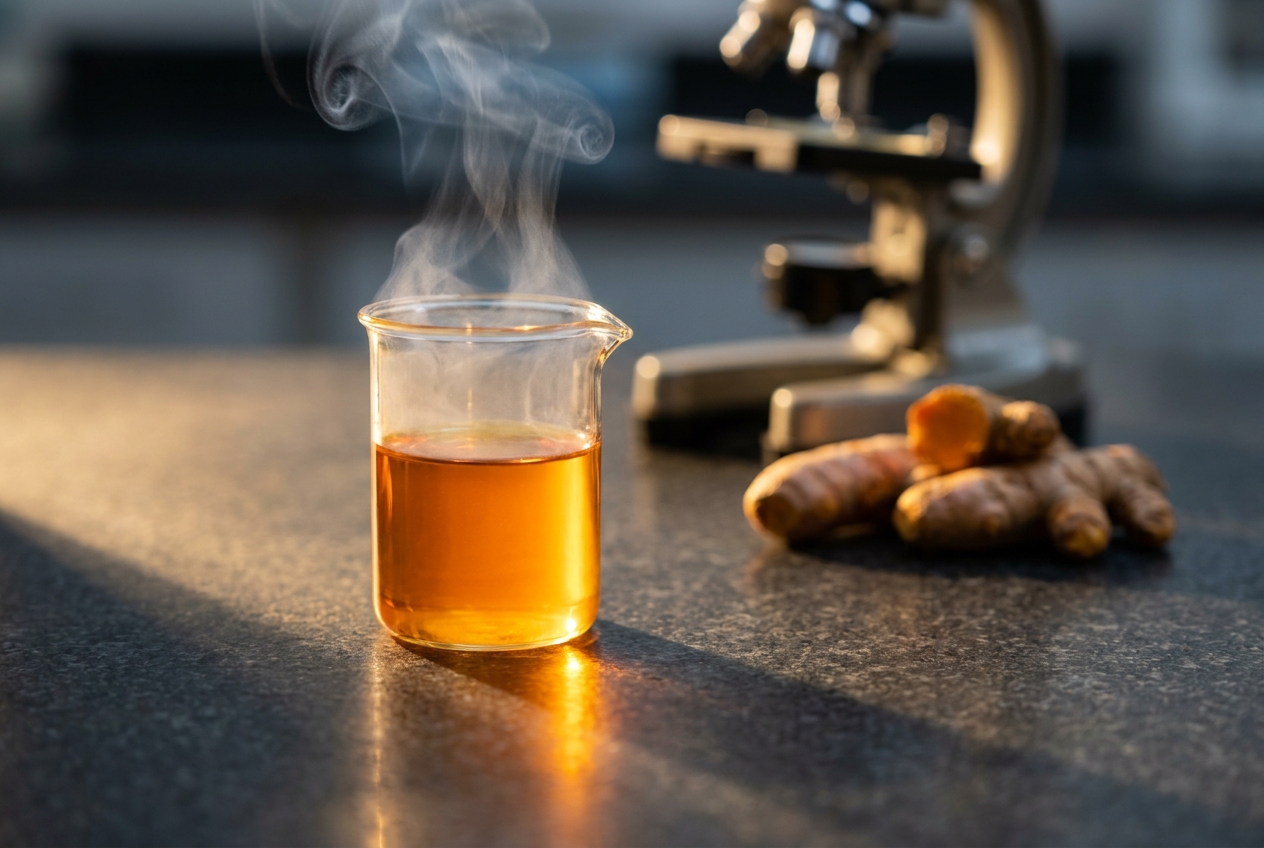
Curcumin, the active polyphenol in turmeric, is heavily studied for its diverse biological effects. In the context of parasitology, it is a compound of ongoing scientific interest for its ability to perturb cellular membranes.
Early laboratory research, including studies on Cryptosporidium parvum in vitro and Eimeria tenella in poultry, identified curcumin’s capacity to interfere with parasitic development. More recently, researchers have focused on enhanced delivery systems. A 2023 study by Mogahed et al. tested curcumin and highly bioavailable curcumin nanoemulsions against parasite-infected mice. The data was explicit: the nanoemulsion form performed significantly differently than standard curcumin, aggressively reducing parasitic loads and alleviating local intestinal pathology in the animal model.
These advanced formulations are also studied for their ability to function as a biofilm buster, stripping away the protective extracellular polysaccharides that shield gut pathogens. However, these represent controlled animal studies, not human clinical trials. Readers with gastrointestinal symptoms must consult a physician rather than attempt self-management with spices or extracts.
Sweet Wormwood (Artemisia annua): From Malaria to Coccidia
Historically, artemisinin – a compound derived from the Sweet Wormwood plant (Artemisia annua) – gained global recognition for its profound efficacy against the malaria parasite. Modern parasitologists have since expanded this research to evaluate its broader antiprotozoal applications.
Preclinical trials in poultry have repeatedly demonstrated the anticoccidial effects of artemisinin. A 2024 network pharmacology study confirmed that artemisinin acts as a primary bioactive compound against Eimeria tenella coccidiosis by stably binding to core inflammatory targets and restoring cecal tissue injury in infected models. Additionally, derivatives like artesunate demonstrate potent anti-parasitic activity against Toxoplasma gondii in vitro by generating targeted, lethal reactive oxygen species that induce severe morphological changes in the parasite.
It is important to note that no study has specifically validated artemisinin against human Cyclospora infections. Cyclospora is grouped with these organisms taxonomically based on its structural and lifecycle similarities, not by direct clinical evidence of artemisinin’s efficacy.
Clove, Eugenol, and Resveratrol: Emerging Compounds in Antiparasitic Research
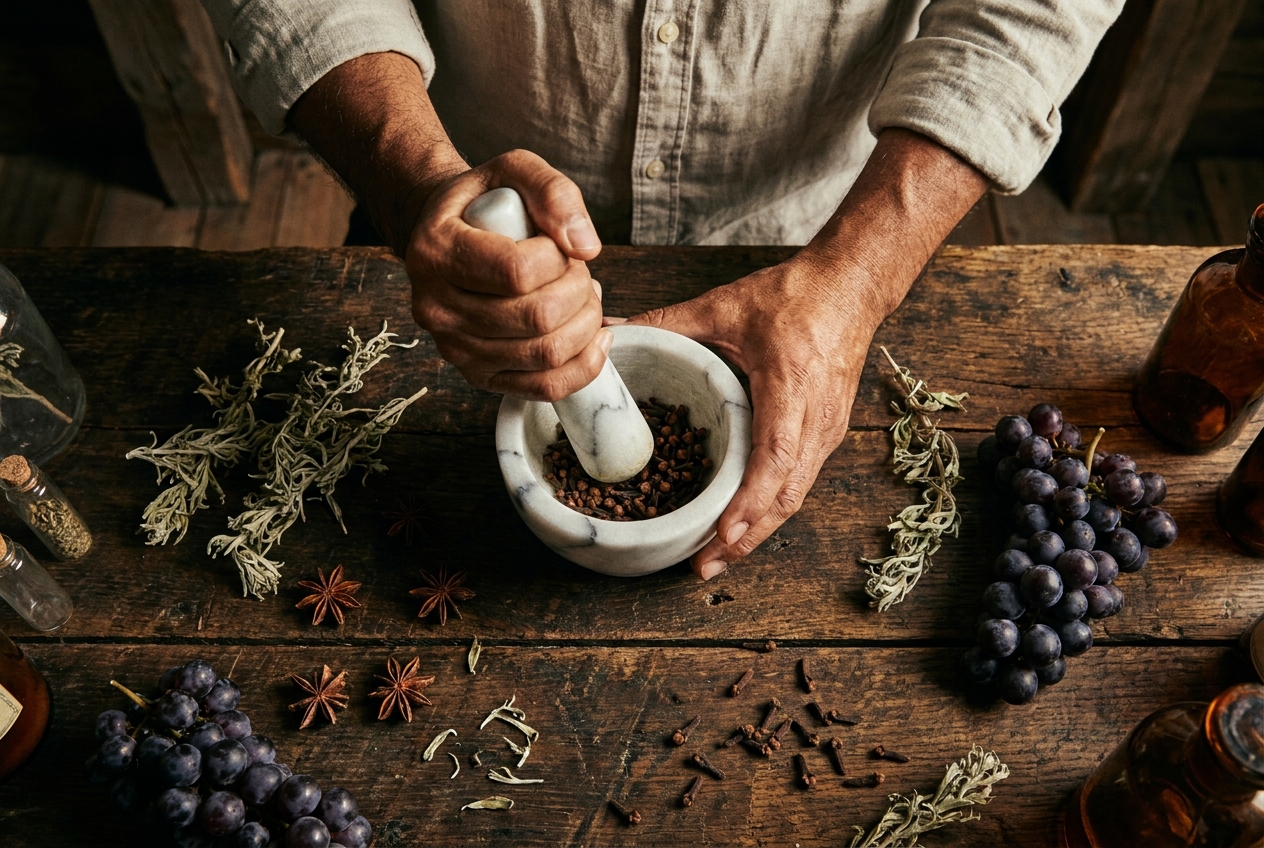
Researchers are continuously screening plant derivatives to understand structural vulnerabilities in pathogens. Eugenol (the primary constituent of clove oil) and resveratrol (a polyphenol found in grapes) are currently under active investigation.
A 2024 in vivo evaluation demonstrated that eugenol exhibits potent anti-cryptosporidial activity. In immunosuppressed animal models, the compound significantly reduced the excretion of Cryptosporidium oocysts and successfully reverted infection-induced cellular damage in the ileum and liver. Similarly, resveratrol has been studied in animal models for its ability to influence Cryptosporidium shedding, inhibit Toxoplasma, and impact Eimeria in poultry.
These findings present eugenol and resveratrol as compounds under active study in the field of parasitology. They are not supplement recommendations for any named human illness. Natural antiviral supplements benefits and their antiparasitic equivalents are strictly experimental in this context.
What Factors Affect Parasite Vulnerability?
Understanding how foodborne parasites bypass human defenses requires looking at both environmental and physiological variables.
- Environmental Exposure Variables: Outbreaks of cyclosporiasis are frequently tied to specific agricultural conditions. Contaminated irrigation water, improper handling of fresh produce, and international supply chain logistics directly influence the density of oocysts present on consumed food.
- Gastric Acid Integrity: The human stomach relies on high acidity to neutralize incoming pathogens before they reach the vulnerable intestinal tract. A compromised gastric environment—whether from medication, age, or underlying conditions—can allow hardy oocysts to survive and establish an infection.
- Immune System Status: Coccidian parasites like Cryptosporidium pose a vastly higher threat to immunocompromised individuals. An intact, responsive immune system is critical for preventing severe, prolonged cellular damage in the gut lining.
Practical Steps Based on the Risk Factors Above
The article’s own breakdown of vulnerability factors – environmental exposure, gastric acid integrity, and immune status – points toward some straightforward, non-supplement actions.
- Rinse produce implicated in past outbreaks (berries, basil, iceberg lettuce) under running water, and be extra cautious with imports during known outbreak windows.
- Support your body’s baseline defenses through consistent sleep, hydration, and balanced nutrition, since the article notes these factors influence how well the body handles exposure.
- Seek prompt medical evaluation and stool testing if gastrointestinal symptoms appear — this isn’t a condition to try to wait out.
- Readers interested in how researched botanicals like curcumin, and resveratrol are formulated together can review Biofilm Immune Complex, or browse for monolaurin at Shop Monolaurin.
Frequently Asked Questions
What is the standard treatment for cyclosporiasis?
The established medical protocol for treating a Cyclospora infection is trimethoprim-sulfamethoxazole (TMP-SMX). This is a prescription antibiotic combination. Rest, fluid replacement, and professional medical oversight are critical for recovery.
Can natural supplements cure a parasite infection?
No. Natural compounds like monolaurin, curcumin, and artemisinin are not intended to diagnose, treat, cure, or prevent any disease. While laboratory research shows they can disrupt the cell membranes of certain parasites, these preclinical findings do not equate to human treatments.
What causes foodborne parasite outbreaks?
Outbreaks are typically caused by the agricultural contamination of fresh produce, such as iceberg lettuce, basil, or berries. The parasites are spread when food or water is contaminated with infected feces containing hardy oocysts, which then survive until the raw food is consumed.
Why do researchers test natural botanical compounds on parasites?
Scientists study natural compounds to understand basic biological mechanisms, such as how lauric acid induces the physical rupture of cell membranes. This research helps identify vulnerabilities in complex pathogens and informs future biochemical and pharmaceutical development.
Summary
Protozoal and coccidian parasites, including organisms like Cyclospora and Cryptosporidium, represent complex challenges to human gastrointestinal health. When foodborne outbreaks occur, swift medical diagnosis and standard pharmaceutical interventions are the only established avenues for recovery.
Simultaneously, preclinical research continues to map the exact mechanisms of natural compounds. Data confirms that substances like monolaurin, curcumin nanoemulsions, and artemisinin can physically disrupt parasitic structures, halt oocyst shedding, and interfere with biofilms in highly controlled laboratory and animal models. These scientific benefits of monolaurin and other botanicals offer valuable insights into pathogen vulnerabilities, even as they remain strictly informational rather than clinical solutions.
Disclaimer: The information provided is based on preclinical and laboratory research. Monolaurin, curcumin, artemisinin, eugenol, and resveratrol are not intended to diagnose, treat, cure, or prevent any disease. Anyone with suspected parasitic infection or gastrointestinal symptoms should consult a physician immediately.
Continue Exploring
- Rouse et al., The effects of saturated fatty acids on Giardia duodenalis trophozoites in vitro, 2005. https://pubmed.ncbi.nlm.nih.gov/15991042/
- Mogahed et al., Trichinella spiralis: A new parasitic target for curcumin nanoformulas in mice models, Parasitology International, 2024. https://doi.org/10.1016/j.parint.2023.102810
- Sun et al., Mechanism of Qingchang compound against coccidiosis based on network pharmacology-molecular docking, Frontiers in Veterinary Science, 2024. https://doi.org/10.3389/fvets.2024.1361552
- Geldmacher et al., Investigation of new ferrocenyl-artesunate derivatives as antiparasitics, Dalton Transactions, 2023. https://doi.org/10.1039/d3dt02254d
- Al-Megrin et al., In silico and in vivo evaluation of the anti-cryptosporidial activity of eugenol, Frontiers in Veterinary Science, 2024. https://doi.org/10.3389/fvets.2024.1374116