
TL;DR
Monolaurin occurs natively in human breast milk and coconut products, though dietary sources provide it almost entirely as its precursor, lauric acid. The human body’s biological ability to convert raw lauric acid into monolaurin is highly inefficient. To achieve reliable, concentrated levels without excessive daily fat intake, purified dietary supplements are the most functional source.
Key Takeaways
- Human breast milk provides the earliest natural introduction to monolaurin, delivering intrinsic immune-supporting functions to infants.
- Coconut oil contains high levels of lauric acid, but clinical evidence shows the body converts very little of it into actual monolaurin.
- Purified supplements bypass the inefficient bodily conversion process, delivering concentrated monolaurin directly to the digestive tract.
- Delivery format matters, as encapsulated monolaurin ensures better absorption compared to tightly compressed pellets or bitter powders.
When evaluating a supplement routine, understanding the origin of the active compounds helps separate biological reality from marketing claims. Many resources conflate the benefits of raw coconut oil with the distinct properties of purified monolaurin.
While they are chemically related, they are functionally different. The body treats dietary fats differently than isolated monoglycerides. Deciding how to incorporate this compound requires looking at the natural origins of the ingredient, the body’s conversion mechanisms, and the practical differences between dietary intake and direct supplementation.

Where Is Monolaurin Found Naturally?
The chemical compound glycerol monolaurate (GML), commonly known as monolaurin, is not a synthetic invention. Research indicates that glycerol monolaurate is an active, naturally occurring compound natively found in human breast milk and coconut oil, where it provides intrinsic antimicrobial and immunoregulatory functions.
However, the concentration and form in which it appears vary significantly between human biology and plant-based dietary sources.
Human Breast Milk
Human breast milk represents the earliest natural introduction to monolaurin. When infants nurse, they consume complex fats that the body begins breaking down immediately. Human breast milk contains an average of 6.2% lauric acid, which acts as a foundational mucosal defense mechanism. Through intragastric production, the infant’s digestive enzymes convert these native fats into monoglycerides, including monolaurin.
This early biological exposure is why researchers study monolaurin’s role in balancing the microbiome and supporting overall immune function.
Raw Coconut Products
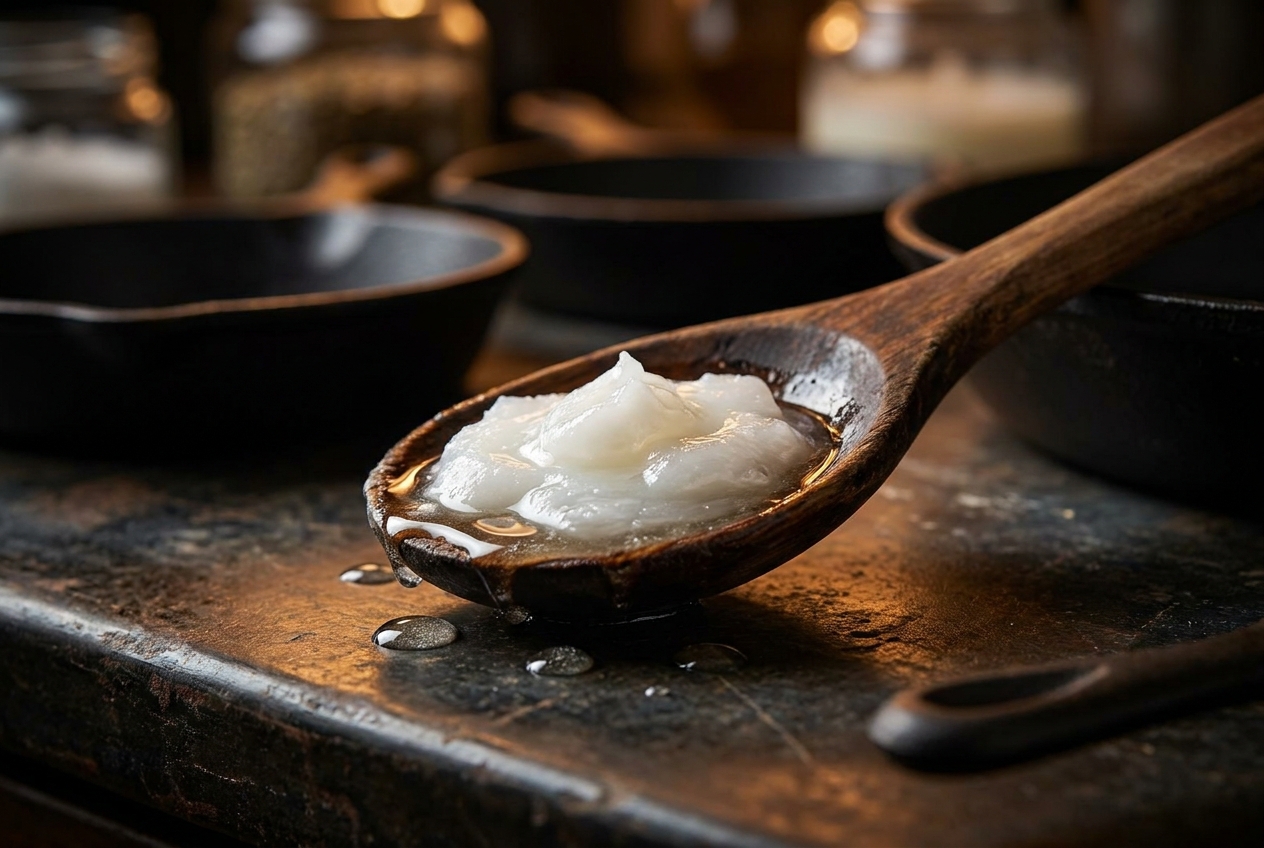
For adults, the most abundant natural precursor to monolaurin is coconut oil. Approximately 45% to 53% of the fatty acid profile in raw coconut oil consists of lauric acid. Smaller trace amounts can also be found in coconut milk, coconut cream, and palm kernel oil.
It is critical to note that coconut oil contains lauric acid, not pure monolaurin. To obtain the specific health benefits of monolaurin, the body must first digest the coconut oil and enzymatically convert the lauric acid into monolaurin.
Why Is Lauric Acid Conversion Inefficient?
A common misunderstanding in wellness communities is that eating a few tablespoons of raw coconut oil yields the equivalent benefits of taking a monolaurin supplement daily. Biological evidence contradicts this.
The biological conversion of lauric acid from coconut oil to monolaurin occurs only in small, inadequate quantities in vivo. A study published in the Journal of Medicinal Food investigated these differences directly. In biological models, purified monolaurin yielded a 50-70% survival rate against challenging bacterial strains, while subjects receiving high-lauric-acid coconut oils experienced only a 0-16% survival rate—a result identical to the control group.
This data confirms that dietary lauric acid cannot predictably reach the targeted concentrations provided by a direct supplement. Relying on coconut oil for monolaurin requires the digestive system to perform a highly inefficient chemical conversion. Furthermore, to theoretically yield a meaningful amount of monolaurin, an individual would need to consume hundreds of milliliters of raw coconut oil daily, which would introduce an unsustainable volume of dietary fat.

What Factors Affect Monolaurin Supplement Delivery?
Because dietary conversion is inefficient, pure monolaurin dietary supplements are the standard approach for consistent use. However, the physical format of the supplement dictates how well the body digests and utilizes it.
When exploring the comprehensive guide to pure monolaurin supplements, differences in manufacturing and delivery directly impact practical outcomes:
- Capsules: Encapsulated monolaurin is designed to dissolve completely within the digestive tract, ensuring that the monoglyceride is fully released for intestinal absorption. This format is widely considered the most reliable for daily consistency.
- Pellets: Some monolaurin is manufactured into tightly compressed pellets. Because of the heavy binders and glazes required to hold the pellet’s shape, these formats may occasionally pass through the digestive system completely intact and unabsorbed.
- Powders: Raw monolaurin powder is highly unpalatable. It possesses a sharp, distinctively soapy and bitter taste, making loose powder formats extremely difficult for daily adherence.
Selecting a clean, additive-free capsule supports the overall goal of a stable, long-term routine. You can explore high-quality, encapsulated options directly at https://www.shopmonolaurin.com/.
Frequently Asked Questions
Is monolaurin better than coconut oil?
For targeted immune support, pure monolaurin is functionally superior to coconut oil. While coconut oil is an excellent dietary fat and cooking oil, it requires the body to perform a highly inefficient conversion process to turn its lauric acid into monolaurin. Supplements bypass this barrier.
Can I get enough monolaurin from my diet?
No, it is highly unlikely to achieve meaningful concentrations strictly through diet. Because the human conversion rate of lauric acid to monolaurin is exceptionally low, obtaining concentrated amounts from food alone requires consuming impractical and potentially excessive amounts of coconut fat.
Are monolaurin pellets or capsules more effective?
Capsules are generally more reliable for digestion. Tightly compressed pellets require binders and glazes that can sometimes prevent them from breaking down fully, meaning they may pass entirely unabsorbed through the digestive tract. Capsules ensure complete dispersion in the gut.
How do I choose a quality monolaurin supplement?
Look for pure monolaurin encapsulated without unnecessary synthetic fillers, artificial binders, or harsh glazes. Reviewing the “Other Ingredients” section of the supplement panel helps verify that the product prioritizes the active ingredient over manufacturing shortcuts.
Summary
Understanding the source of your monolaurin dictates how effectively you can utilize it. While lauric acid is abundant in natural sources like breast milk and raw coconut oil, the human body struggles to convert dietary coconut oil into pure monolaurin in meaningful quantities. Relying on raw coconut oil for targeted support is inefficient and introduces excessive dietary fat without guaranteeing outcomes.
For practical, daily use, purified monolaurin supplements offer a direct route, providing the compound in a format the body can immediately recognize and utilize. Prioritizing well-made capsules over unpalatable powders or tightly bound pellets ensures consistent delivery without the guesswork of biological conversion rates.
Continue Exploring
References
- Zhao M, et al. “Novel Gut Microbiota Patterns Involved in the Attenuation of Dextran Sodium Sulfate-Induced Mouse Colitis Mediated by Glycerol Monolaurate via Inducing Anti-inflammatory Responses.” mBio, 2021. https://doi.org/10.1128/mBio.02148-21
- Preuss HG, et al. “In vitro and in vivo effects of two coconut oils in comparison to monolaurin on Staphylococcus aureus: rodent studies.” Journal of Medicinal Food, 2013. https://doi.org/10.1089/jmf.2012.0066