
TL;DR
Monolaurin supports skin and hair health through natural antibacterial and antifungal properties that help maintain a balanced microbiome. It interacts with the lipid envelopes of specific microorganisms, disrupting their structural integrity. Individuals typically incorporate monolaurin through daily oral supplementation for systemic immune support or targeted topical formats for localized concerns.
Key Takeaways
- Monolaurin works by interacting with the protective lipid layers of certain bacteria and fungi commonly found on the skin and scalp.
- Supporting the skin microbiome helps maintain baseline skin resilience and a balanced scalp environment.
- Oral supplementation targets systemic immune function and the gut-skin axis, while topical application is geared toward localized external areas.
- Consistency in a supplement routine matters more than perfectly timing doses for dermatological and long-term physiological goals.
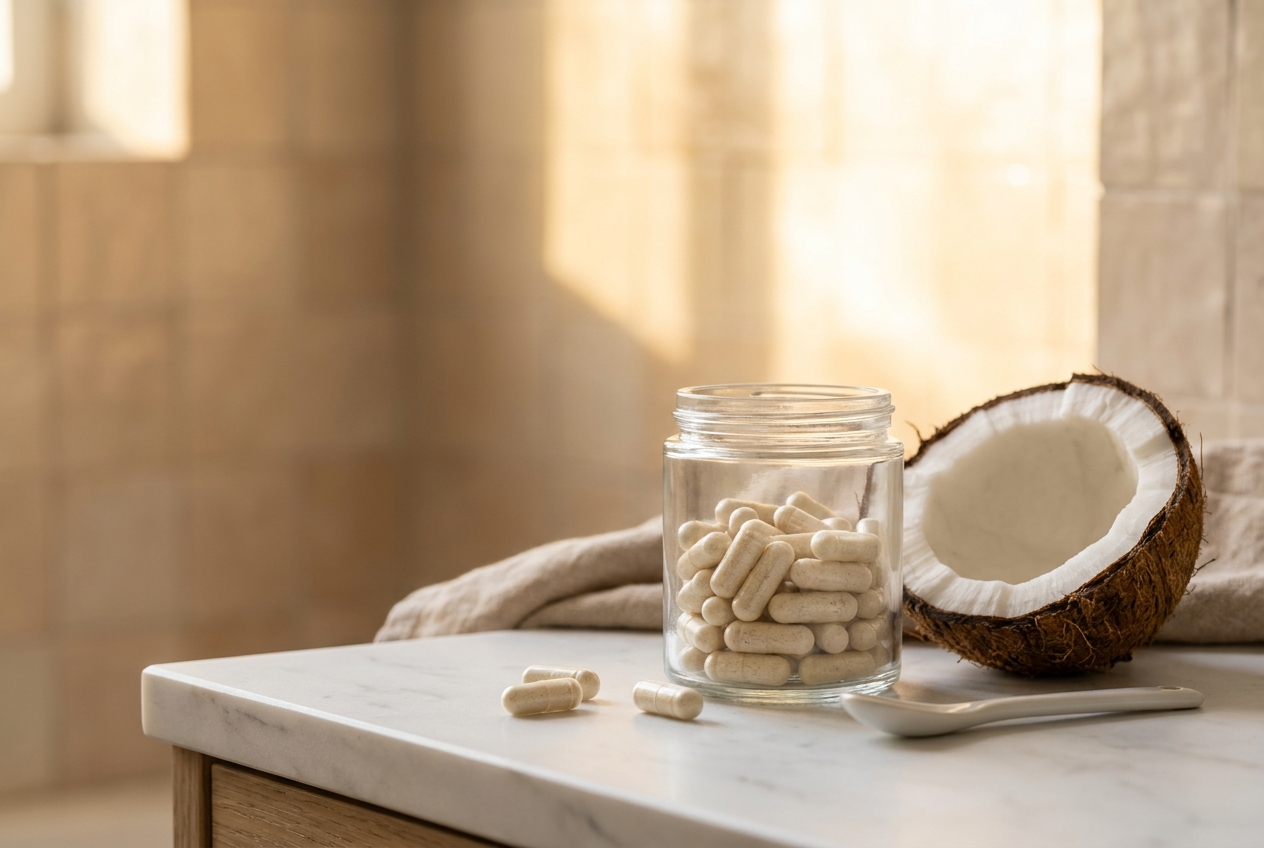
Consumers seeking nutritional support for dermatological wellness frequently encounter monolaurin. Derived from lauric acid—a medium-chain fatty acid found abundantly in coconut oil and human breast milk—monolaurin is widely recognized for its unique structural properties.
When applied to monolaurin for skin health, the conversation shifts from general internal immune support to active microbiome management. The surface of the human body hosts a complex ecosystem of bacteria and fungi. Disruptions in this ecosystem often lead to common skin complaints, including blemishes, excess sebum production, and scalp flaking. Monolaurin addresses these concerns not by acting as a harsh synthetic chemical, but by leveraging its inherent fatty acid structure to interact with microscopic organisms natively residing on the skin barrier.
Understanding how this compound functions requires looking past generalized health claims to the specific biochemical interactions taking place on the epidermis and the scalp.
The Mechanisms Behind Monolaurin for Skin and Hair
The primary mechanism making monolaurin relevant to dermatology involves its physical interaction with microorganisms. Many common pathogens that disrupt the skin and scalp—such as specific strains of bacteria linked to blemishes and yeast linked to dandruff—are encased in a lipid envelope. This fatty outer membrane is essential for the pathogen’s survival and replication.
Because monolaurin is structurally identical to a fatty acid, it possesses high lipid solubility. When it comes into contact with lipid-coated microorganisms, monolaurin physically incorporates itself into their outer membranes. This integration weakens the membrane, causing osmotic instability. Ultimately, the structural integrity of the cell envelope is disrupted, preventing the organism from replicating or sustaining its localized colony.
By targeting only lipid-coated structures, monolaurin delivers targeted monolaurin antibacterial benefits and monolaurin antifungal benefits without indiscriminately wiping out all beneficial surface bacteria. This selective interaction makes it a preferred option for individuals seeking long-term skin resilience over harsh, broad-spectrum antimicrobial washes. Reducing the populations of opportunistic yeast (such as Malassezia) and bacteria (such as Cutibacterium acnes) naturally lessens the immune system’s localized inflammatory response, which often manifests as visible redness, scalp irritation, or clogged pores.
Usage Formats and Systemic Factors
Realizing a comprehensive monolaurin supplement benefits overview for skin and hair requires understanding how formatting and systemic variables influence outcomes. Establishing a sustainable routine is critical, as natural supplements require consistent application to support biological changes.
Topical vs. Oral Formats
Monolaurin is available as a daily dietary supplement (capsules or pellets) and as an active ingredient in topical creams, cleansers, and shampoos. Oral intake focuses on systemic immune support and gastrointestinal health. This indirectly influences the skin via the gut-skin axis—the physiological link where internal microbiome dysbiosis and systemic inflammation trigger external skin conditions. Topical formats bypass the digestive system entirely to deliver the active compound directly to the localized microbiome, such as an irritated scalp or a breakout-prone face.
Dietary Synergy
Monolaurin works most effectively when supported by a diet that limits refined carbohydrates and sugars. High-sugar diets can feed opportunistic yeast on the skin and in the digestive tract, creating a biological headwind that undermines the compound’s natural antifungal properties.

Consistency and Tolerance
Establishing a reliable schedule yields better results than sporadic high dosing. Introducing monolaurin gradually allows the body to adjust, minimizing the risk of temporary digestive discomfort (when taken orally) or localized irritation (when applied topically). Consistency builds baseline immune resilience, which is more effective than attempting to use the supplement reactively during a severe skin flare-up.
Quality Evaluation
When selecting a supplement, prioritize pure formulations without unnecessary fillers, artificial dyes, or binding agents that might trigger secondary skin reactions. For reliable sourcing, transparent quality criteria, and effective formats, explore products at Shop Monolaurin, which focuses on clear, evidence-informed dietary support.
Frequently Asked Questions
Can monolaurin help with acne?
Yes, monolaurin is frequently used to support clear skin because it interacts with the lipid layers of bacteria commonly associated with pore blockages and blemishes. It helps manage the localized bacterial load, which supports a calmer, more balanced complexion over time without the stripping effects of traditional astringents.
Is monolaurin good for scalp health?
Monolaurin provides structural support for the scalp by helping to manage populations of naturally occurring yeast that can cause flaking, itching, and irritation. Maintaining a balanced, non-inflamed scalp environment is foundational for supporting healthy hair follicles.
Should monolaurin be taken orally or applied topically for skin?
The choice depends on the user’s specific lifestyle and goals. Oral supplementation supports systemic immune function and gut-skin balance, addressing the root cause of systemic inflammation. Topical application is best for targeting a specific area of the skin or scalp directly. Many users combine both formats for a comprehensive routine.
How long does it take to notice skin and hair benefits?
Skin turnover cycles typically take 28 to 45 days, and systemic immune shifts require sustained support. Users should maintain a consistent monolaurin routine for at least four to six weeks before evaluating changes in their baseline skin resilience, scalp comfort, or breakout frequency.
Summary
Using monolaurin for skin and hair involves leveraging its natural affinity for lipid-coated microorganisms. By disrupting the cell envelopes of opportunistic bacteria and yeast, it acts as a stabilizing agent for the body’s native microbiome. Whether choosing an oral supplement for systemic support via the gut-skin axis or a topical product for direct application, consistency remains the most critical factor in seeing sustained benefits.
A practical routine prioritizes steady, daily use over perfectly timed doses. By selecting high-quality formulations and integrating them into a holistic approach to daily hygiene and internal nutrition, individuals can effectively harness monolaurin to support long-term dermatological wellness and scalp health.